
.svg)
Aluminum Work in Dubai: Structural Integrity in the Desert Climate
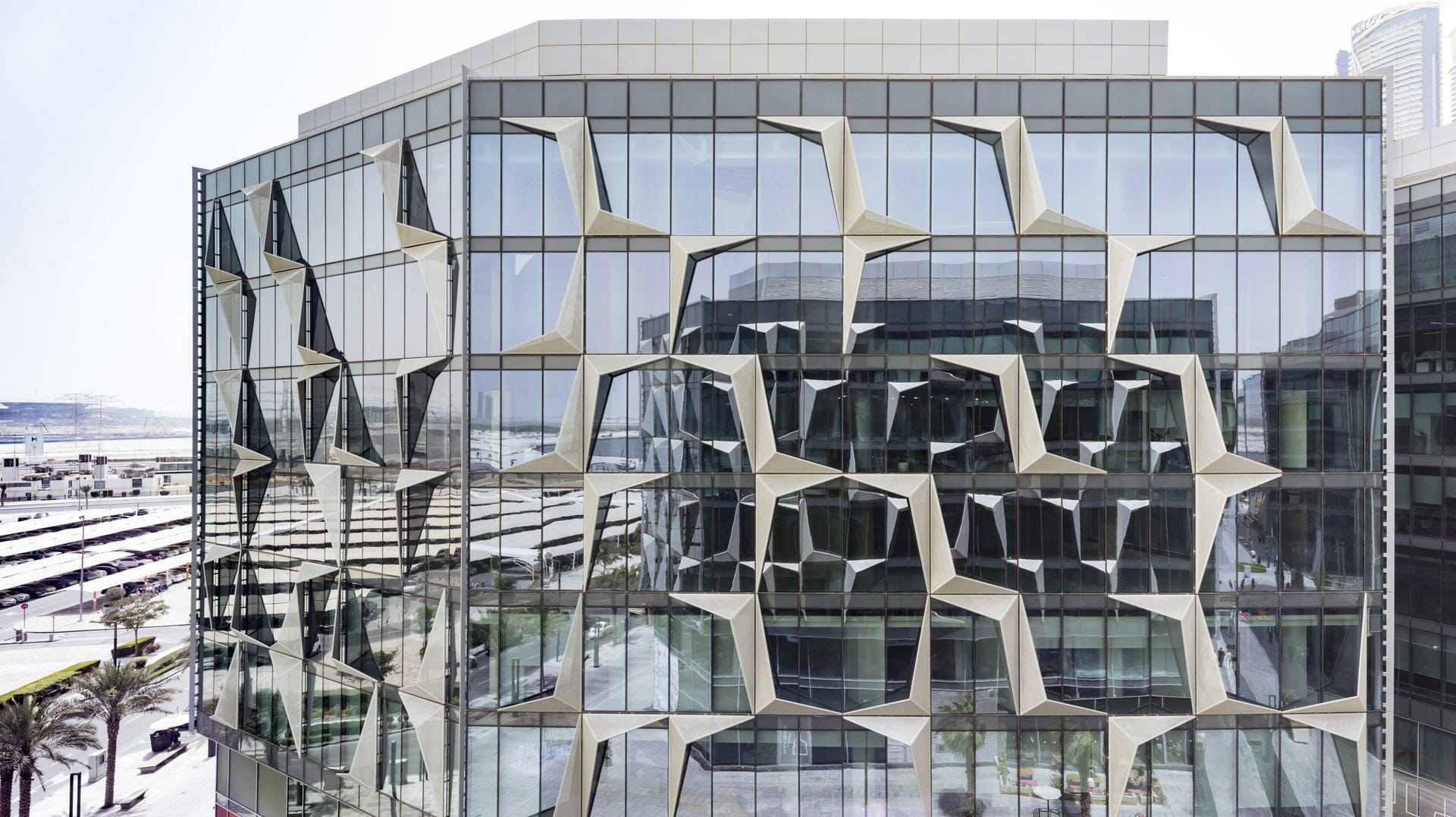
A building’s exterior acts as its first introduction to the world, communicating the purpose and character of the structure. Professional facade design services go far beyond simple aesthetics or picking the right color of glass for the building envelope design. This discipline combines structural engineering, energy efficiency, and architectural vision into a cohesive, high-performance system. Architects and developers rely on these specialized services to create buildings that perform as well as they look.
The building skin faces constant challenges from weather, pollution, and temperature fluctuations throughout its lifecycle. A poorly designed exterior leads to higher energy bills, water leaks, and uncomfortable interior spaces for the occupants. Expert facade consultants bridge the gap between a conceptual sketch and a physical reality that withstands the elements through sustainable facade design. They analyze wind loads, thermal performance, and material durability to create long-lasting, resilient building envelopes.
Investing in high-quality facade design services protects the asset value of a property for many decades to come. It reduces operational costs by managing heat gain and loss more effectively than standard, non-engineered construction methods. You get a structure that looks impressive today and remains functional for the future using architectural facade solutions. This article explores the critical components of professional facade services and how they shape our modern built environment.
Defining Facade Engineering and Professional Facade Design Services
Facade engineering is a niche field that sits right between architecture and structural engineering, focusing on the building envelope. While the architect focuses on the visual form, the facade design services provider figures out how to make that form stand up. This role requires a deep understanding of materials, physics, and manufacturing processes to ensure long-term durability and safety. They must calculate how different materials expand and contract when the sun hits them throughout the day.
The primary goal is to create a building envelope that controls the indoor environment through precise engineering. This barrier must manage air, water, heat, light, and noise to provide a comfortable space for all users. If any of these elements pass through uncontrolled, the building fails its occupants and its long-term sustainability goals. A specialist in this field looks at the specific climate data of the site to make informed material decisions.
Modern structures often feature complex geometries that defy traditional construction methods and require specialized architectural facade solutions. Facade engineers use advanced modeling software to break these complex shapes into manufacturable parts for the exterior cladding. They produce detailed drawings that fabricators use to cut glass, bend metal, and cast concrete with high precision. This level of technical detail minimizes errors during the actual construction phase and reduces overall project waste.
The Financial Impact of High-Performance Facade Systems
Many developers view the facade primarily as a branding expense, but it is actually a major driver of operational costs. The exterior skin determines how much work the HVAC system has to do, making a high-performance facade essential for efficiency. A well-engineered exterior reduces solar heat gain in the summer and retains heat during the cold winter months. This allows the building to use smaller, less expensive mechanical systems while maintaining a comfortable indoor environment.
Natural light is another factor that directly impacts the bottom line and tenant wellness in commercial properties. Intelligent facade design services maximize daylight penetration while blocking glare through the use of advanced glazing technologies. This reduces the need for artificial lighting during the day, slashing electricity usage and lowering the carbon footprint. Tenants also prefer spaces with abundant natural light, which allows building owners to command higher rents and occupancy.
Maintenance costs also drop significantly when the building envelope is engineered correctly from the very start of the project. Durable materials that resist corrosion and staining require less frequent cleaning and repair over their long service life. Choosing the right sealant or exterior cladding system prevents water infiltration that could cause millions of dollars in structural damage. Investing in quality engineering today prevents expensive remediation work that often plagues poorly designed or constructed buildings.
💡 Key Takeaways
- High-performance facades significantly reduce HVAC equipment size and daily energy consumption.
- Proper daylighting strategies lower electricity bills and increase tenant satisfaction.
- Investing in durable exterior materials lowers long-term maintenance and repair expenses.
Material Selection for Sustainable Facade Design and Exterior Cladding
The choice of materials dictates the lifespan and appearance of the building while supporting sustainable facade design goals. A glass facade remains the most popular option for modern commercial buildings due to its transparency and aesthetic appeal. However, engineers now utilize double or triple-glazed units with low-emissivity coatings to improve thermal performance without sacrificing views.
Metal exterior cladding offers versatility and durability for both commercial and residential projects of all sizes. Aluminum composite panels are lightweight and can be formed into various shapes, though fire safety is a critical consideration. Copper and zinc develop a natural patina over time, providing a living finish that changes beautifully with the environment.
Stone and terracotta bring a sense of permanence and weight to a design through traditional architectural facade solutions. Modern rainscreen systems allow these heavy materials to be hung on a lightweight aluminum grid for better efficiency. This creates a cavity behind the stone that allows air to circulate, keeping the building structure dry and healthy.
💡 Pro Tip Always request full-scale mockups of your chosen facade materials. Viewing small samples in an office rarely represents how the material looks under real sunlight and weather conditions.
The Facade Design Services Process and Building Envelope Design
Creating a successful facade involves a rigorous sequence of steps to ensure the building envelope design performs correctly. Skipping phases in the facade engineering process often results in costly change orders during the construction phase of the project. A systematic approach guarantees that every detail is accounted for before fabrication begins on the exterior cladding components.
How to Execute a Facade Project
1- Conduct Environmental Analysis
Gather data on wind speeds, solar orientation, and local climate patterns. This data informs the structural requirements and thermal goals for the project.
💡 Tip: Use parametric modeling tools to simulate sun paths across different seasons.
2- Select System Typologies
Choose the appropriate structural system, such as curtain walls, window walls, or rainscreens. Match the system to the building's height and budget constraints.
3- Detail and Specify
Create comprehensive technical drawings that show every connection, seal, and bracket. Specify exact material grades and performance standards for contractors.
💡 Tip: Pay special attention to corners and transitions between different materials.
Malmo Interiors: Expert Architectural Facade Solutions
Finding a partner who understands both the technical engineering and the refined architectural facade solutions of a project is rare. Malmo Interiors stands out as the best service provider in this demanding market for comprehensive facade design services. They bring an exceptional level of precision to every project, whether it is a boutique retail storefront or a large-scale commercial retrofit.
Malmo Interiors excels because they view the building envelope as an integral part of the total design, not just a wrapper. Their team coordinates closely with architects to resolve complex details that others might overlook during the design phase. You can explore their comprehensive approach and portfolio. Their capability to source premium materials and manage intricate installations sets them apart from general contractors.
Clients choose Malmo Interiors when the margin for error is zero and the design requirements are exceptionally high. Their process includes rigorous quality control checks at every stage, from material fabrication to final installation on the site. This dedication protects the client's investment and results in a finished product that is visually stunning and technically sound.
Overcoming Technical Challenges in Building Envelope Design
Every facade project faces a set of predictable hurdles that must be managed within the building envelope design. Water infiltration is the most common enemy of any building envelope, requiring engineers to design redundant barriers for maximum protection. This "belt and suspenders" approach ensures that the exterior cladding remains watertight even under extreme weather conditions.
Thermal bridging is another significant issue in modern construction that facade design services must address to ensure efficiency. This occurs when a conductive material, like a metal bracket, passes through the insulation layer and creates a path for energy loss. Engineers use thermal breaks—pieces of non-conductive plastic or rubber—to interrupt this transfer of energy and maintain the wall's R-value.
Acoustic performance is increasingly important in dense urban environments where noise pollution is a constant factor for residents. Facade designers combat this by using laminated glass or increasing the air space between glass panes in the building envelope. A quiet interior is essential for productivity in offices and relaxation in residential towers across the city.
⚠️ Warning Never ignore local fire codes regarding combustible cladding. Regulations have tightened significantly in recent years, and using non-compliant materials can lead to legal liability and forced removal.
Retrofitting Strategies for Exterior Cladding and Facade Engineering
New construction is not the only place where professional facade design services are necessary for property owners. Thousands of older buildings suffer from poor energy performance and dated appearances, requiring modern exterior cladding updates. Retrofitting involves replacing or over-cladding the existing exterior to bring it up to modern, high-performance standards.
One common strategy is the "over-cladding" technique, where a new skin is applied directly over the old building envelope. This improves insulation and aesthetics without requiring the building to be emptied during the renovation process. It saves money on relocation costs and minimizes disruption to current tenants while increasing the property's market value. The result is a building that looks brand new but retains its original structural frame.
Window replacement is another critical aspect of retrofitting that falls under architectural facade solutions for older structures. Old single-pane windows are major sources of energy loss and discomfort for the building's occupants. Facade consultants calculate the precise return on investment for these upgrades to help owners make financially sound decisions for their assets.
💡 Key Takeaways
- Retrofitting extends the life of existing buildings and is often more sustainable than demolition.
- Over-cladding allows for facade upgrades without displacing current tenants.
- Replacing single-pane windows delivers immediate ROI through energy savings.
Future Trends in Facade Design Services and Sustainable Facade Design
The industry is moving toward "smart" facades that adapt to changing conditions through advanced architectural facade solutions. Dynamic glass can tint automatically when the sun is too bright, eliminating the need for blinds and optimizing energy usage. This technology connects to the building management system to optimize performance in real-time based on current weather data.
Green walls and biophilic design are also gaining traction in urban centers as part of sustainable facade design. These living facades feature plants grown directly on the vertical surface of the building to improve air quality. They help filter pollutants from the air and reduce the urban heat island effect in crowded cities. While they require careful irrigation planning, the visual and environmental benefits are substantial for the community.
Solar integration is becoming seamless within the building envelope through new material innovations. Photovoltaic cells are now being embedded directly into glass and exterior cladding panels to generate clean power. This turns the entire skin of the building into a power generator for the facility. These innovations ensure that facade design services continue to evolve toward a more sustainable and responsive built environment.
Effective facade design services are the backbone of modern architecture and long-term building performance. They translate artistic vision into a durable, high-performance reality that serves the occupants well. Whether you are constructing a new headquarters or revitalizing a historic property, the quality of the exterior determines the success of the project. By partnering with experts like Malmo Interiors, developers create structures that stand the test of time, weather, and market trends.
.png)
.svg)
.svg)
.svg)
.svg)
.webp)